The Benefits of Timber Marking
When marking timber for harvest, the current condition of the timber stand is analyzed by the forester to determine the best sustainable harvest practices to be utilized to meet our client’s management goals. Timber may be marked for different types of harvest from one stand to the next, on a single property, depending on the stand’s current stocking level and species composition.
How it Works
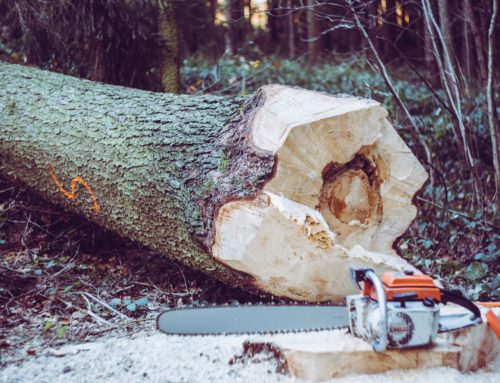
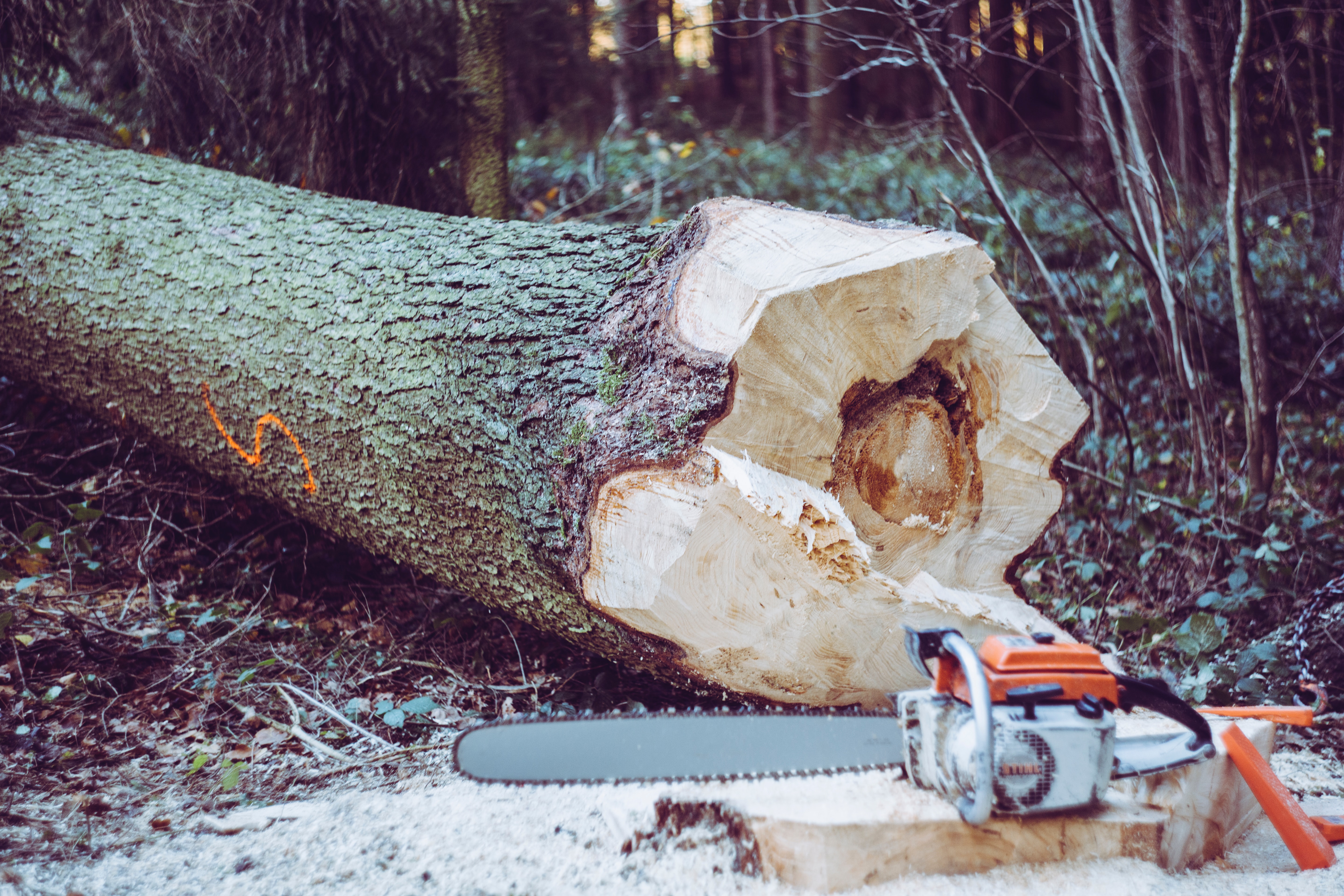
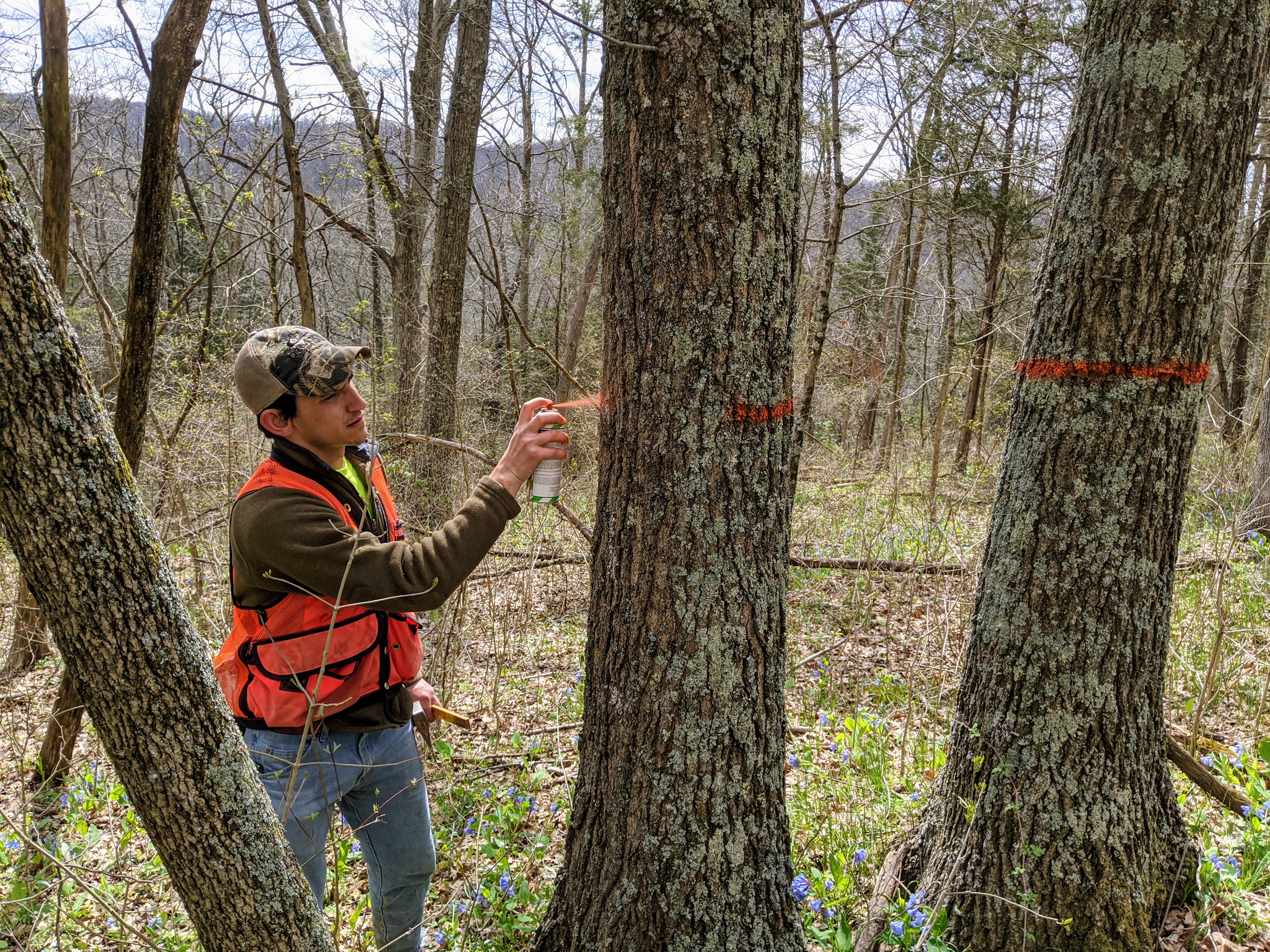
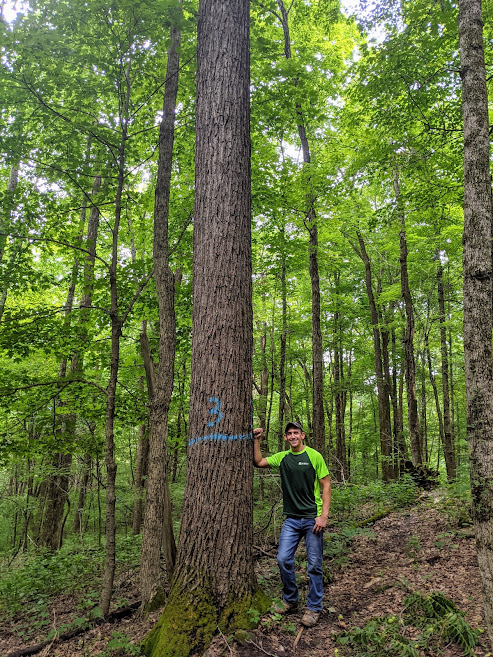
During the marking process, the selected trees for harvest are marked with paint. Individual trees are chosen for harvest to promote the long-standing health and productivity of the timber stand. Next, a timber sale notice is created, and a timber harvest contract is written. After the timber seller’s approval, the sale is advertised to state licensed and bonded loggers. Timber sales are created in the form of sealed bid sales, allowing the client to receive the highest bid possible. During the bidding process, a fair market value is obtained for the timber sold by establishing a minimum accepted bid, at the discretion of the timber seller.
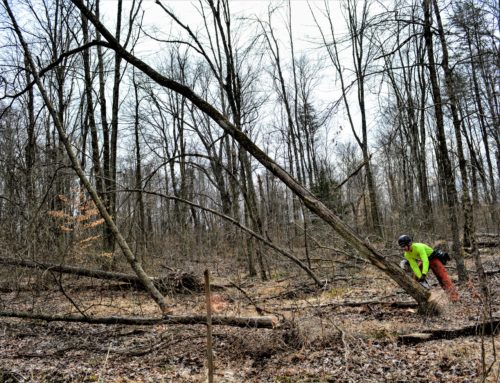
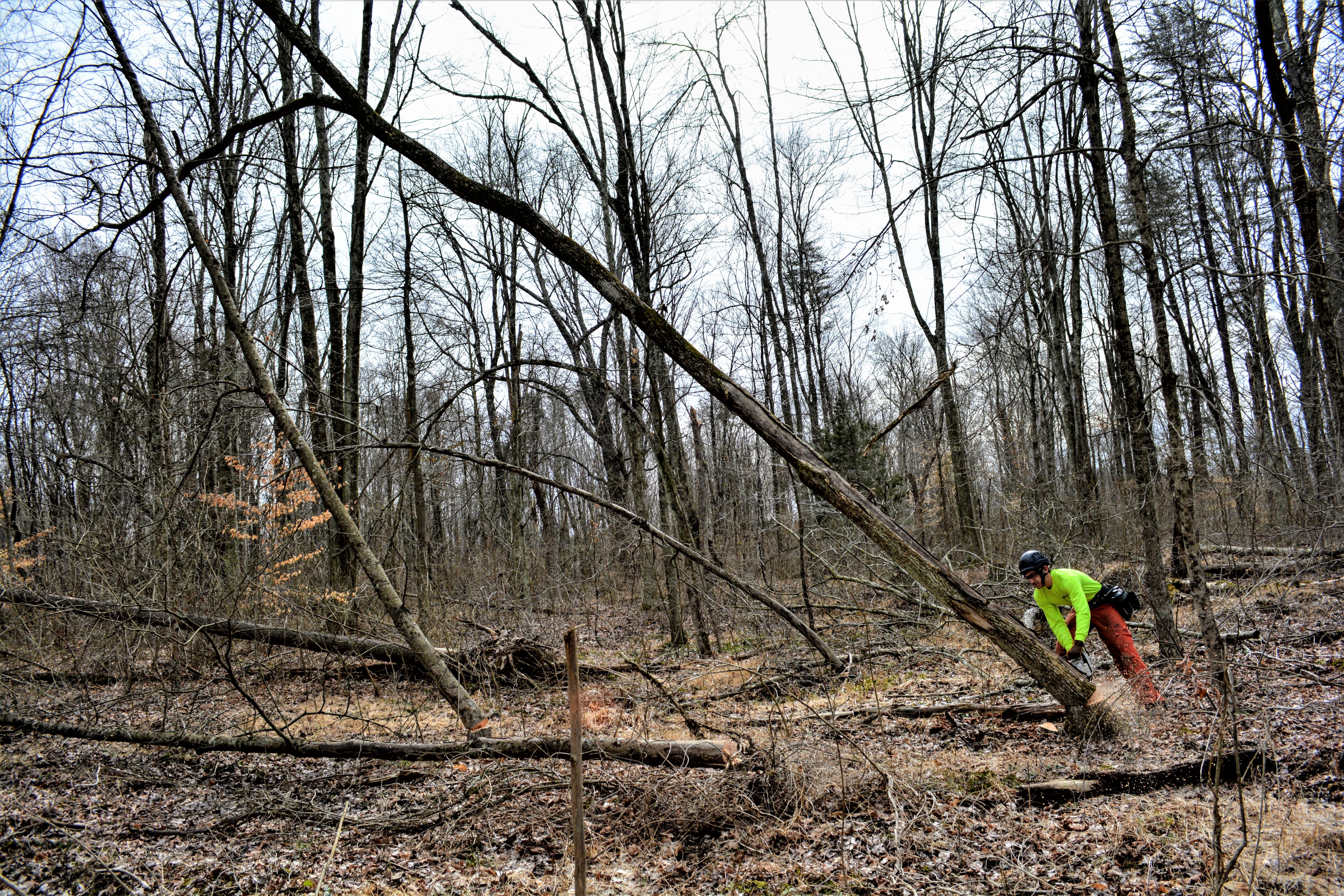
During the logging process, Best Management Practices (BMP’s) are implemented and followed by the logging companies to benefit the post-harvest condition of the property by routinely checking-in with the loggers and conducting inspections. Inspections also serve to check only the purchased, marked trees, are harvested. If an unmarked tree is taken, the timber buyer is to compensate the seller for that lost piece of timber at fair market value.
How the Timber Seller Benefits
Ultimately, the timber seller benefits from the services of a forester because they serve as a liaison between the seller and the logging company/timber buyer to protect and improve the long-term standing health of their forestland. Foresters are also responsible for ensuring the timber seller is fairly compensated by the loggers for any and all timber taken. Utilizing a forester ensures it is known and understood how much timber is being sold, which trees are being sold, and what to expect post-harvest.
Service Cost
All fees associated with utilizing the services of a forester for the marking and marketing of the timber are collected in the form of a commission, a percentage of the final bidding price paid by the logging company. Commission rates may vary by the type, quality, and size of a harvest.
Conclusion
In summary, foresters benefit their client by marking timber for harvest by:
- Determining the best sustainable logging practices to meet the client’s management goals.
- Marketing and selling the timber on the client’s behalf to licensed bonded state loggers.
- Marking (painting) the timber being sold to promote the long-standing health and productivity of the timber stand.
- Ensuring a fair market value and the highest bid is obtained for the timber being sold.
- Ensuring forestry best management practices (BMP’s) are implemented and followed during logging process to protect the post-harvest condition of the client’s property.
- Routinely checking-in with the loggers during the timber harvest to ensure only the agreed upon timber is taken.
- Making certain the timber seller receives fair market value for any unmarked tree which has been taken or damaged.
Ultimately, foresters work on the seller’s behalf to protect their interests and the health/quality of their forestland; just as you would hire a real estate agent when buying or selling a house.
Additional Information: