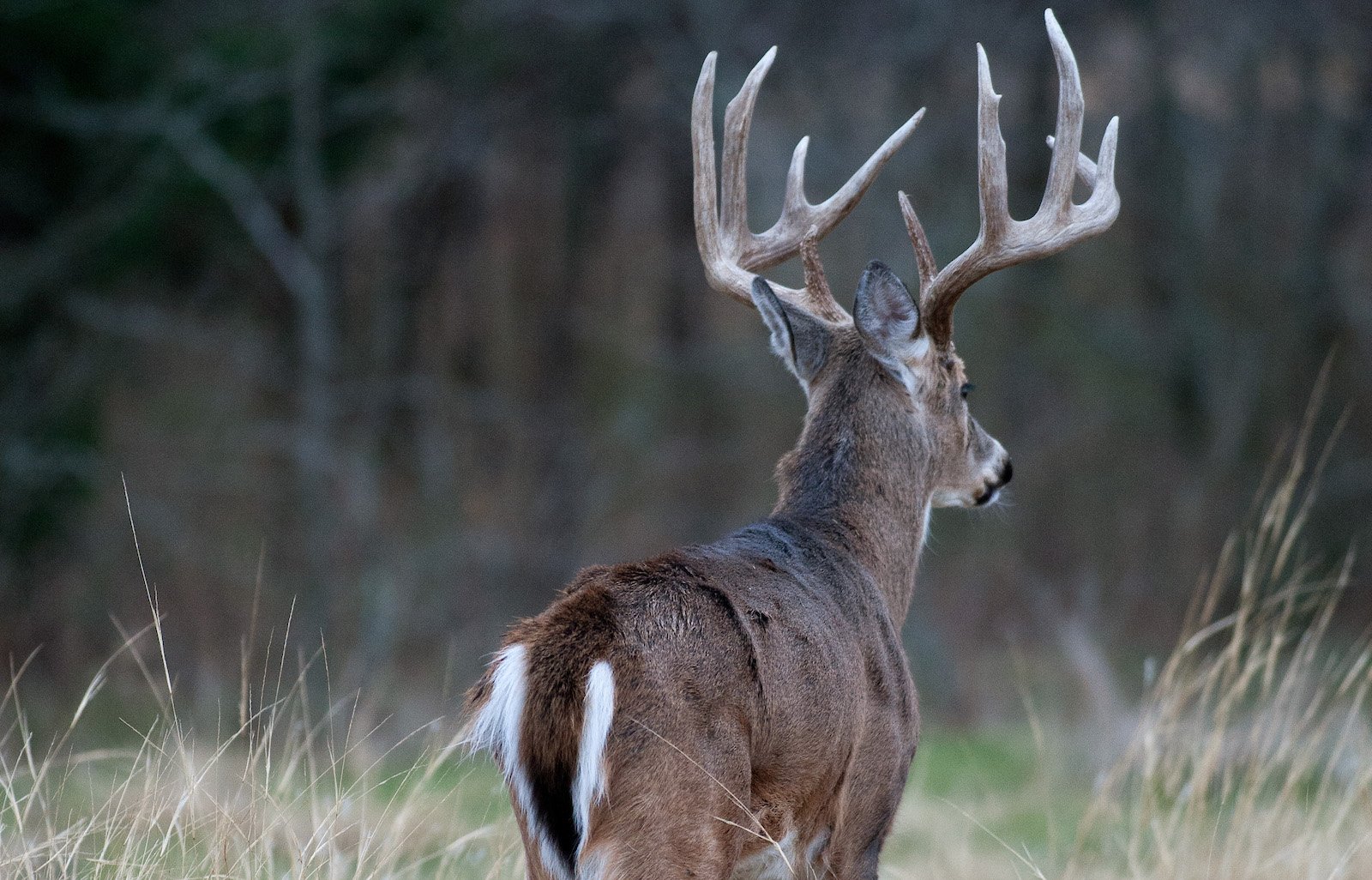
All species of wildlife require four habitat components to survive: food, water, shelter, and space. White-tailed deer are a forest dwelling species, however, they are considered “habitat generalists” as they are highly mobile and can find their life needs from a variety of land types. However, for them to thrive, good habitat contains all four of the habitat components needed for survival, during all four seasons of the year.
6 Ways to Improve White-tailed Deer Habitat
1. Create and maintain forest openings/early successional habitat.
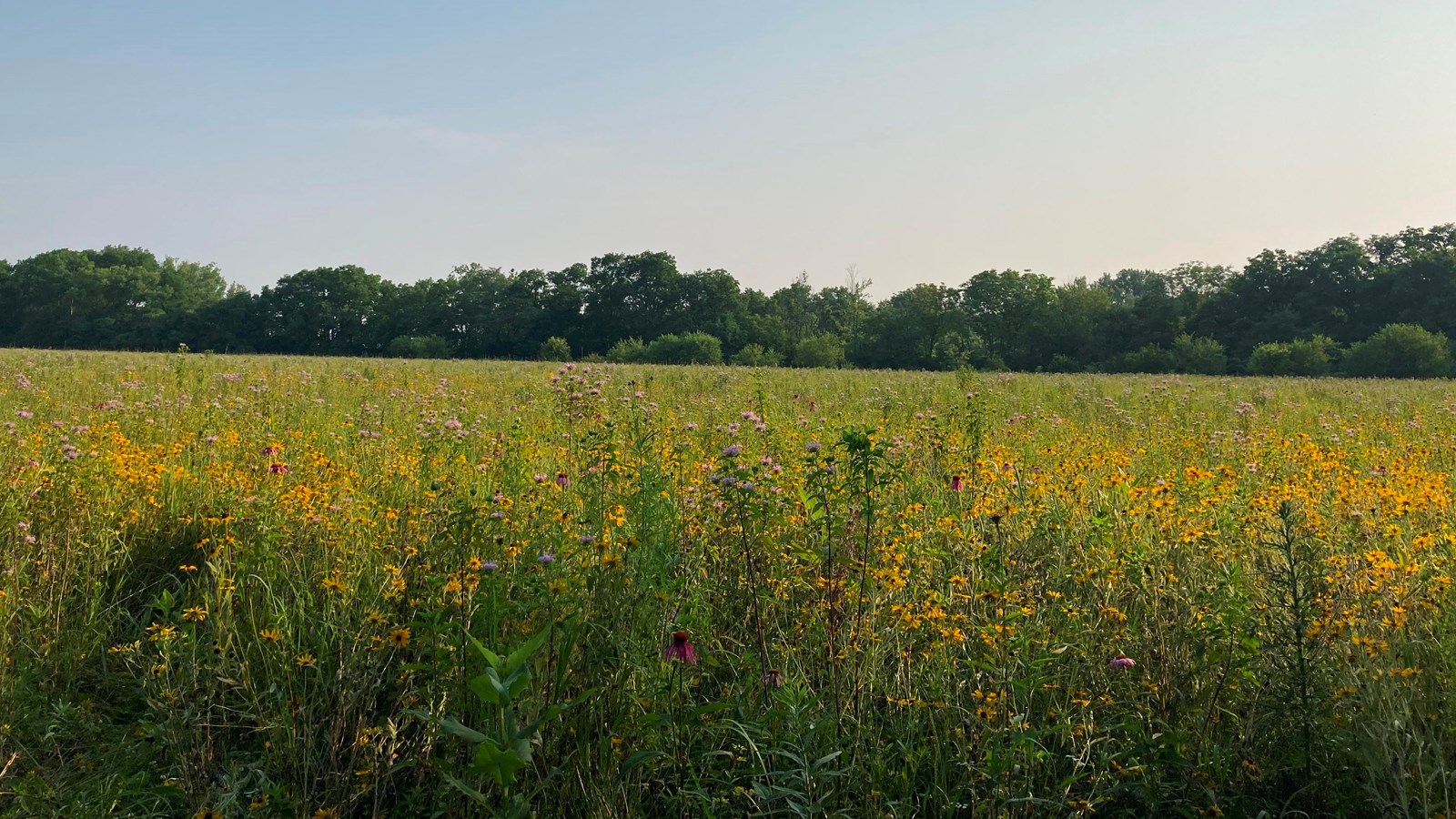
Early successional habitat areas and forest openings are important aspects of deer habitat because they provide areas for bedding and forage opportunities. Early successional habitat develops shortly after a disturbance and is characterized by dense, low-lying vegetation. The size of a managed opening or early successional habitat area is often determined by the management practice used and the surrounding habitat, but at least one to three acres is recommended. Optimally, multiple openings would be distributed throughout a large property. We recommend 10% of a primarily wooded property to consist of managed openings/early successional habitat. We recommend maintaining these areas by burning every 2 to 3 years. However, alternative maintenance options include mechanical control, such as mowing, and/or chemical control with herbicides.
2. Plant/maintain mast-producing trees and shrubs.
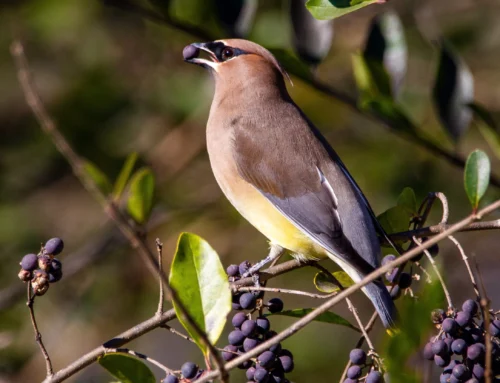
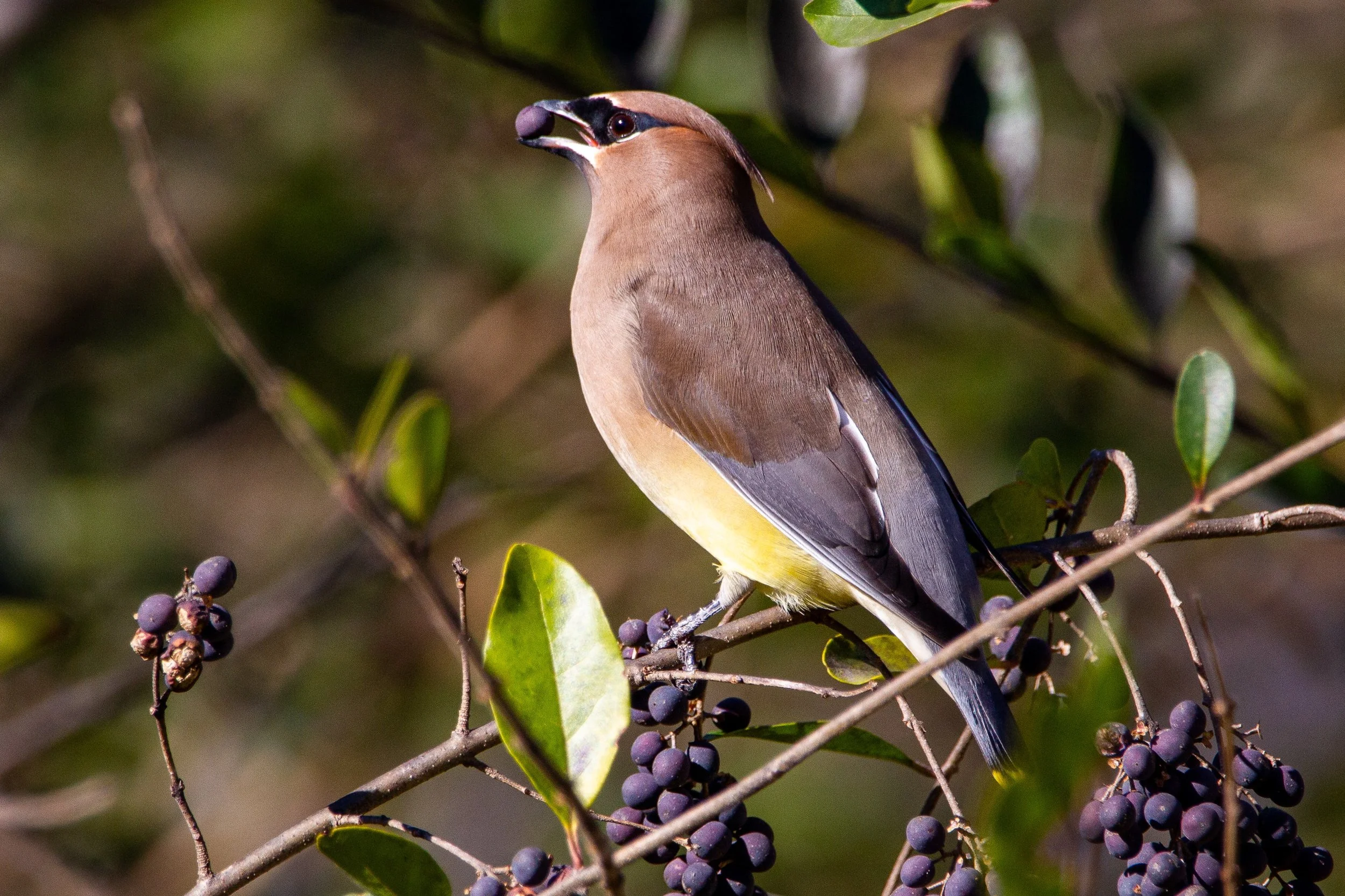
Mast-producing vegetation refers to those which produce fruit, berries, nuts, or seeds which serve as food sources for wildlife. Examples of good mast-producing tree species (in Indiana) include oaks, hickories, and persimmon. Brambles, such as blackberries and raspberries, also provide good sources of food. We recommend encouraging the growth and regeneration of native mast-producing trees and considering a supplemental planting in areas which do not contain or are unlikely to naturally produce mast-producing species. Be sure to protect your newly planted trees/shrubs with tubes or fencing in areas which contain high populations of deer. Manage already established trees by controlling invasive plants and ensuring they have optimal space around them to grow and reach sunlight.
3. Establish and maintain food plots.
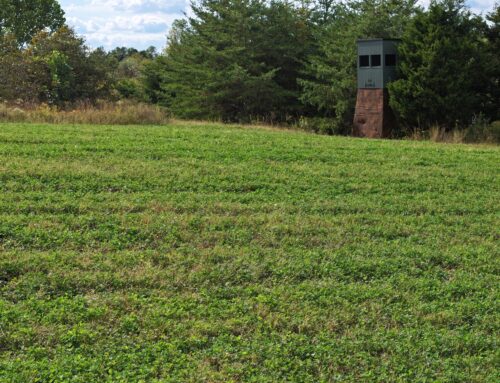
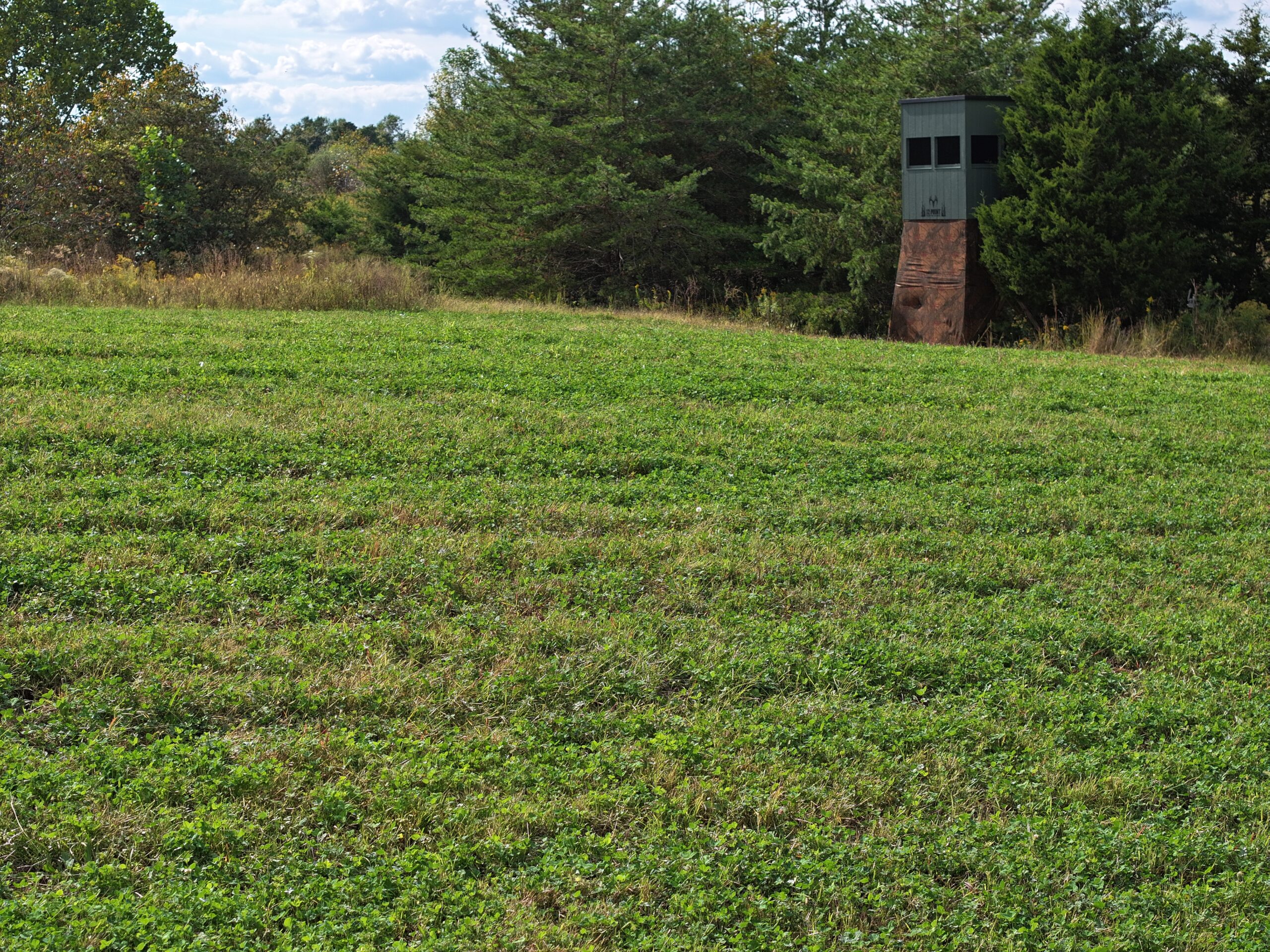
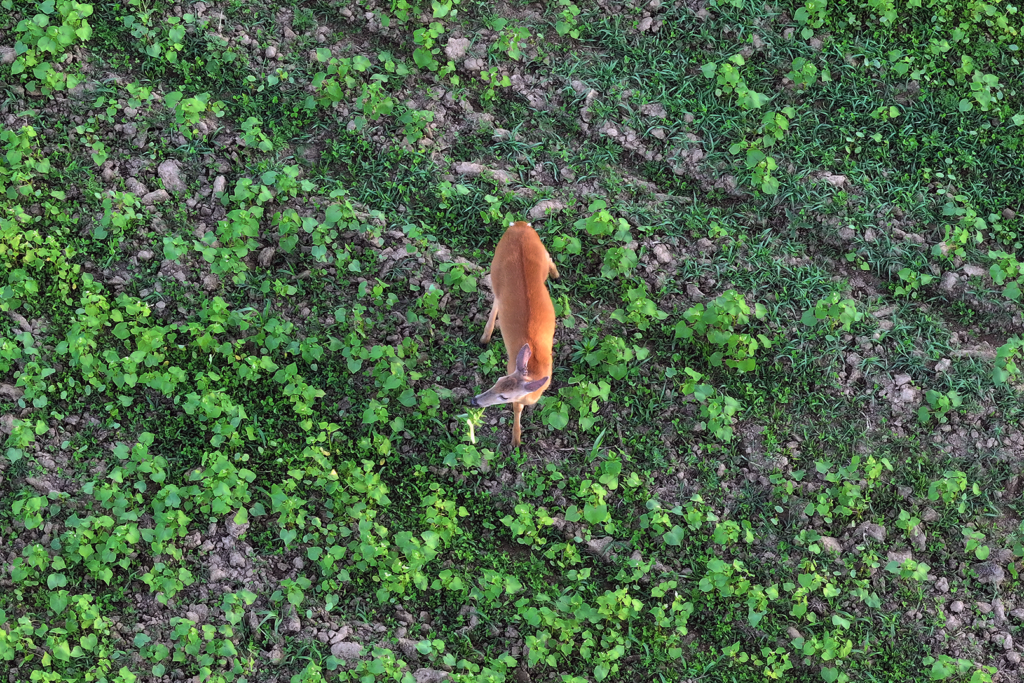
Many properties may benefit by providing additional food sources for turkey in the form of food plots. Food plots are small strips or blocks of land which are planted with grain crops, legumes, and/or root vegetables for wildlife to consume. Food plot plantings can be perennial and left standing year-round for several consecutive years, or can be annual, which only last a single growing season. Both perennial and annual food plots provide excellent sources of food and having both types of plots on a property is recommended to provide the most benefit. Perennials provide a constant source of food year-round and are the backbone of a food plot program, while annuals are used to produce rapid bulk food which are beneficial during high-stress periods of the year.
4. Create/maintain habitat buffer/transition areas.
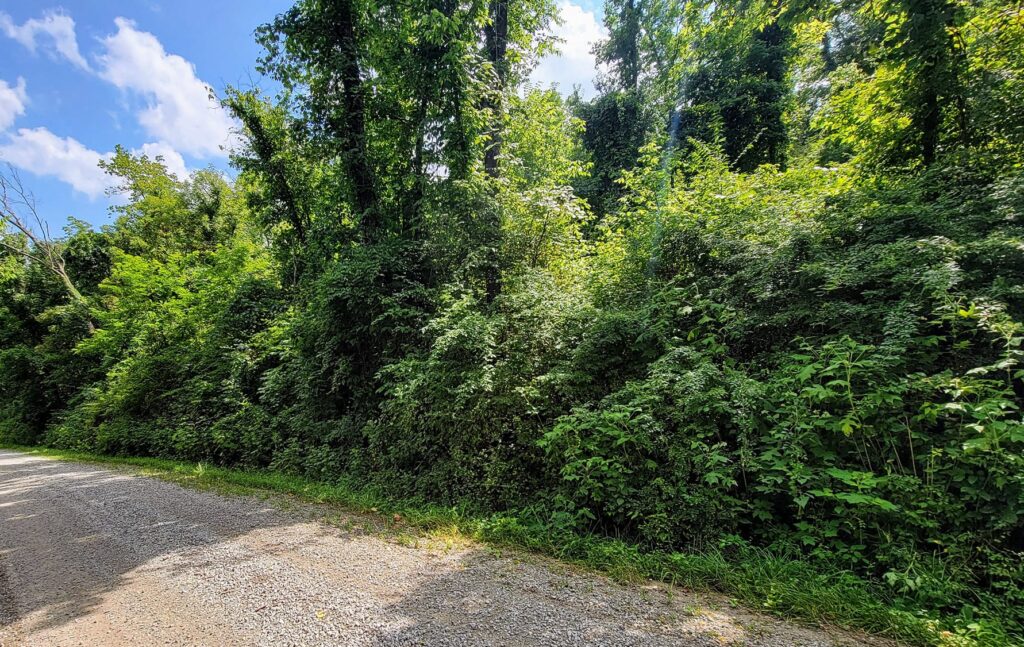
Ideally, a property would contain both mature, forested areas and early successional habitat/openings. Instead of a harsh transition from mature forest to food plot, or prairie/grassland, we recommend maintaining habitat buffer zones to serve as transitional areas between the two major habitat types. These buffer zones are usually dense, with high amounts of shrubs, grasses and trees, and are in an age class somewhere between early successional and mature. These buffer zones serve as protective cover as turkey travel between habitat areas and also provide good nesting habitat.
5. Maintain a healthy forest.
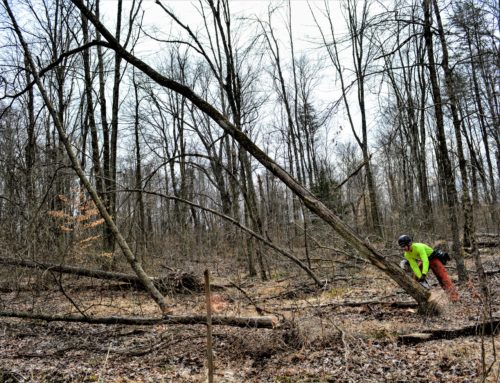
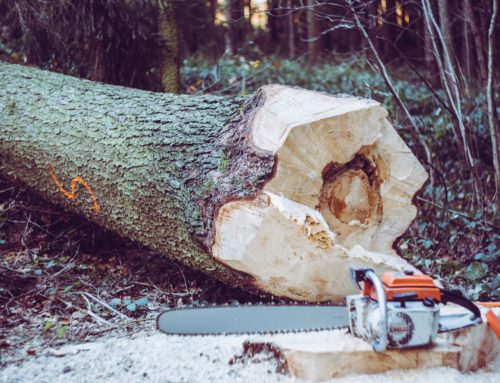
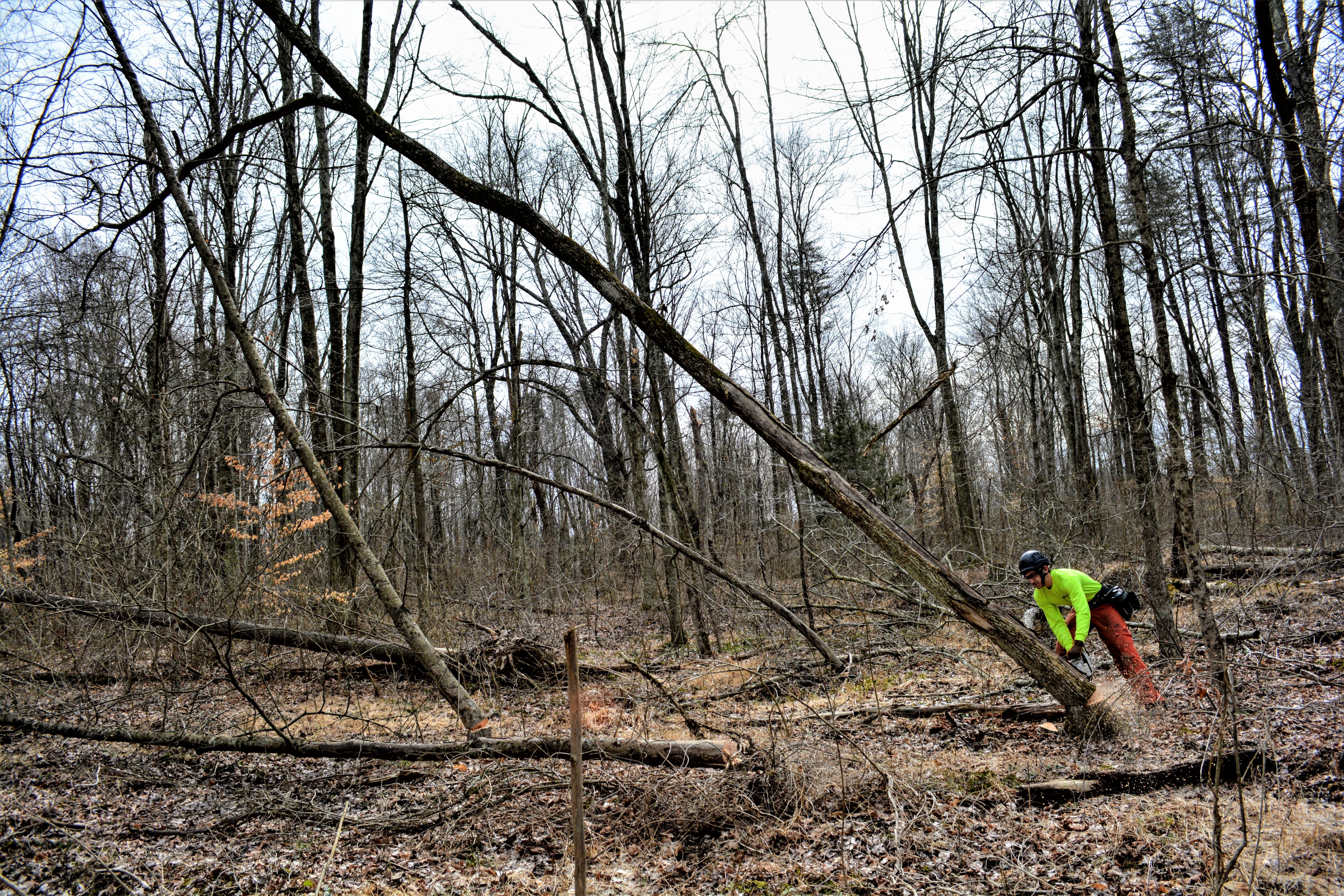
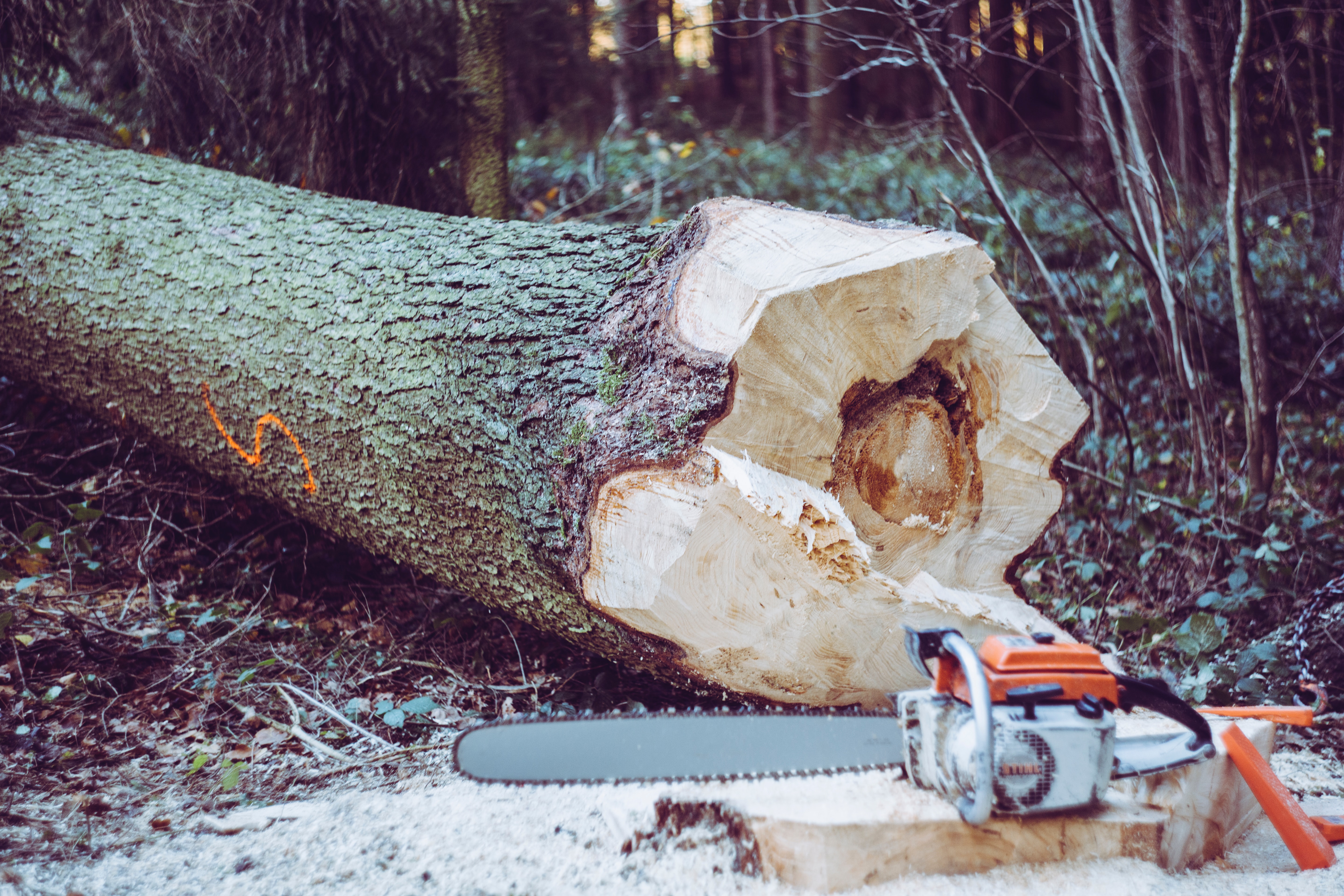
Timber Stand Improvement (TSI), or more specifically, crop-tree release and timber stand thinning, are management techniques in which desirable trees are favored and undesirable trees are removed, to improve the growth productivity of the desirable trees by reducing the effects of competition and by freeing up canopy space. Use TSI to promote mast-producing species, to maintain a healthy stocking level, and/or remove any unhealthy or over-mature trees. Selective timber harvests can also be utilized to achieve some the same goals as with TSI. It is recommended to utilize the services of a forester when conducting TSI for the best results.
6. Control any invasive plants.
Invasive species management promotes the regeneration of native, desirable plant species in the understory. Invasive plant species provide little value to wildlife and spread rapidly/aggressively, preventing the growth of crucial native vegetative species utilized for food, cover, roosting, and nesting by wild turkeys. The use of herbicides (correctly) is crucial for invasive plant control. Simply cutting them out or removing them mechanically will not kill the plant and may even result in spreading them further. We recommend contacting/consulting a habitat professional with a valid herbicide applicators license prior to attempting to identify and control invasive plants on your property.
Additional information:
Managing Your Woods for White-tailed Deer- Purdue University
DNR: Wildlife Habitat Fact Sheets (in.gov)